A new aromatic molecule can start with a hypothesis drawn on the computer, a transformation of known material or a route inspired by biological processes. What it doesn't start with is the certainty that it will smell good.
Molecular chemistry has its surprises. Small changes in structure can change intensity, character, stability, and even the way different people perceive smell.
First, you need to create and be able to repeat
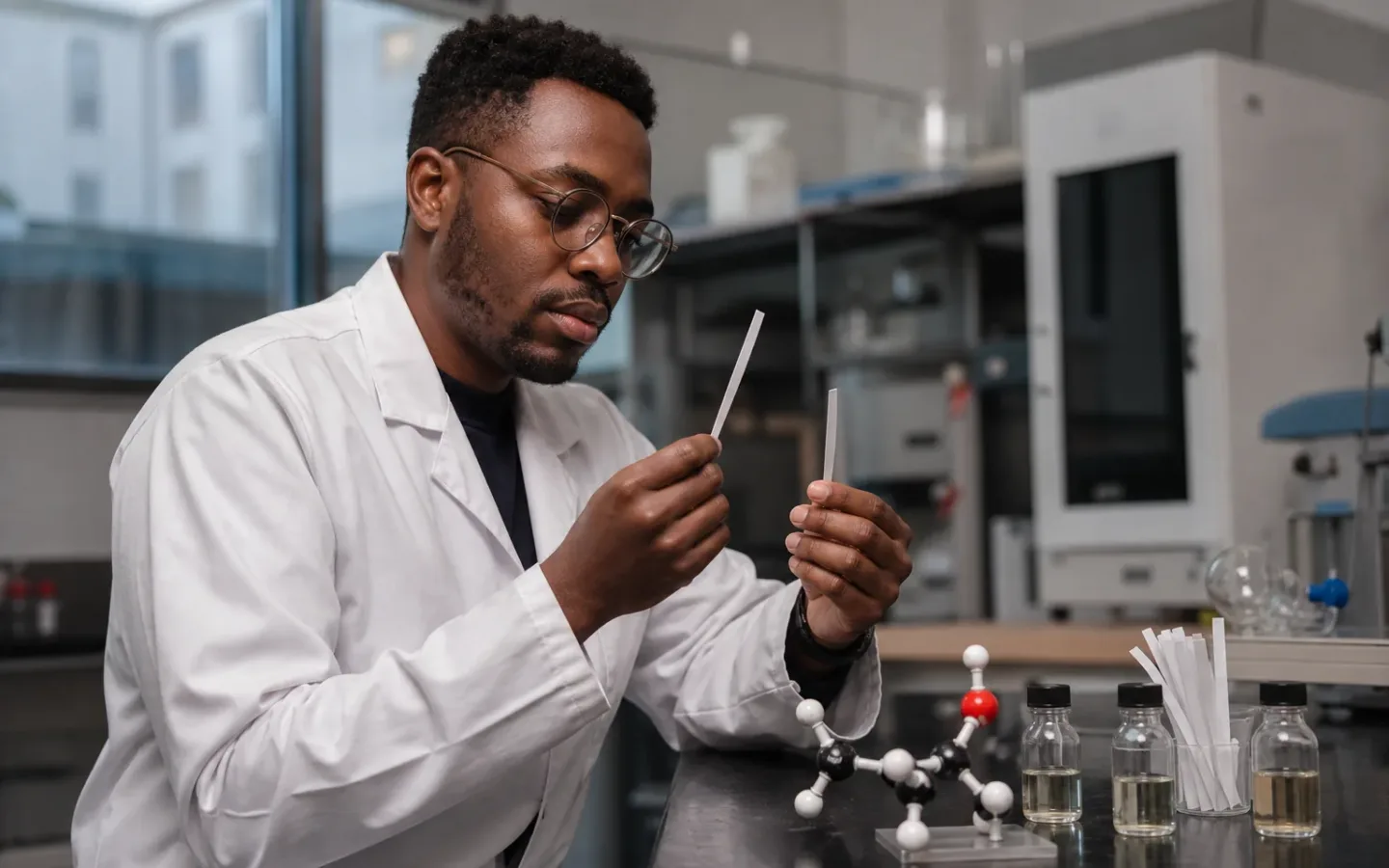
Researchers synthesize candidates and confirm identity, purity, and process. An interesting molecule in a minuscule quantity has yet to be produced in a consistent, safe, and economically viable way.
Then comes the nose. Experts evaluate odor, potency, diffusion, duration, and behavior on different bases. A beautiful material in the bottle can fail in the soap, change with light, or react badly with other components.
The sieve is too narrow
A Givaudan informa que seus centros de inovação sintetizam perto de 2 mil novas moléculas por ano, mas apenas um pequeno número chega à paleta de criação. Antes disso, candidatos atravessam testes de desempenho e avaliações de segurança humana e ambiental.
This data helps to dismantle a common image: that the laboratory "invents a smell" in the morning and puts it in a perfume in the afternoon. The path can take years.
The smell is not enough
A new molecule needs to answer less romantic questions: Is it stable? Can it be manufactured with quality? What is its environmental impact? How does it degrade? Does it work in useful concentrations? Is it compatible with different products?
Biotechnology and principles of more efficient chemistry have started to participate in this search. In some cases, microorganisms or renewable raw materials help to build alternative routes. This does not automatically make every process sustainable, but it does change the options available.
Sometimes the novelty is in the performance
Not every new molecule needs to smell like never before. It can offer a familiar facet with more diffusion, better stability, lower dosage, or improved environmental profile.
For those who wear perfume, this innovation appears in a discreet way: a wood that seems to fill the environment without weighing it down, a transparent flower or a marine effect that remains clean.
A better way to compare
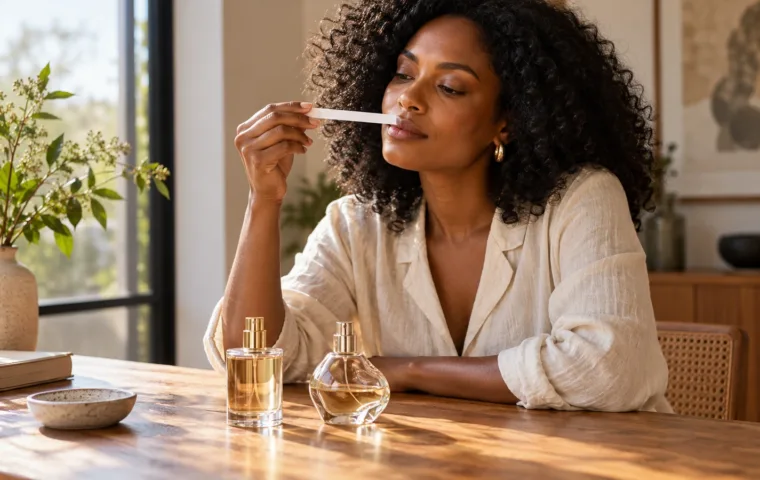
When testing a perfume that advertises a unique molecule, don't just look for "the smell of it". Observe what happens around it: projection, space, duration, transparency and interaction with other notes.
Molecules are tools. The result still depends on who uses them and what they decide to build.