A perfume begins long before the liquid enters the bottle. Sometimes it is born from a phrase: "we want the smell of a cold morning by the sea". In others, from an audience, a raw material or even an empty space within a collection.
From there, someone needs to transform an abstract idea into a smell. This is the central work of those who create the fragrance — but it is far from being a solitary job.
The briefing doesn't smell, but points in a direction
The briefing brings together what the brand expects: personality, audience, price range, market, format and references. It can bring colors, places, fabrics, music and words. It's not a recipe. It's more like the initial script of a movie that will still be rewritten many times.
The perfumer interprets this material and imagines a structure. Perhaps use citrus to give it clarity, flowers to create volume, and wood to support the background. Instead of pouring it all out at once, he works by attempts called modifications.
Each version changes proportions, swaps materials, or solves a problem. A beautiful outlet can fade too quickly. An elegant background can hide the heart. The perfume needs to work as a set, not as a list of good ideas.
The formula is measured, evaluated, and redone
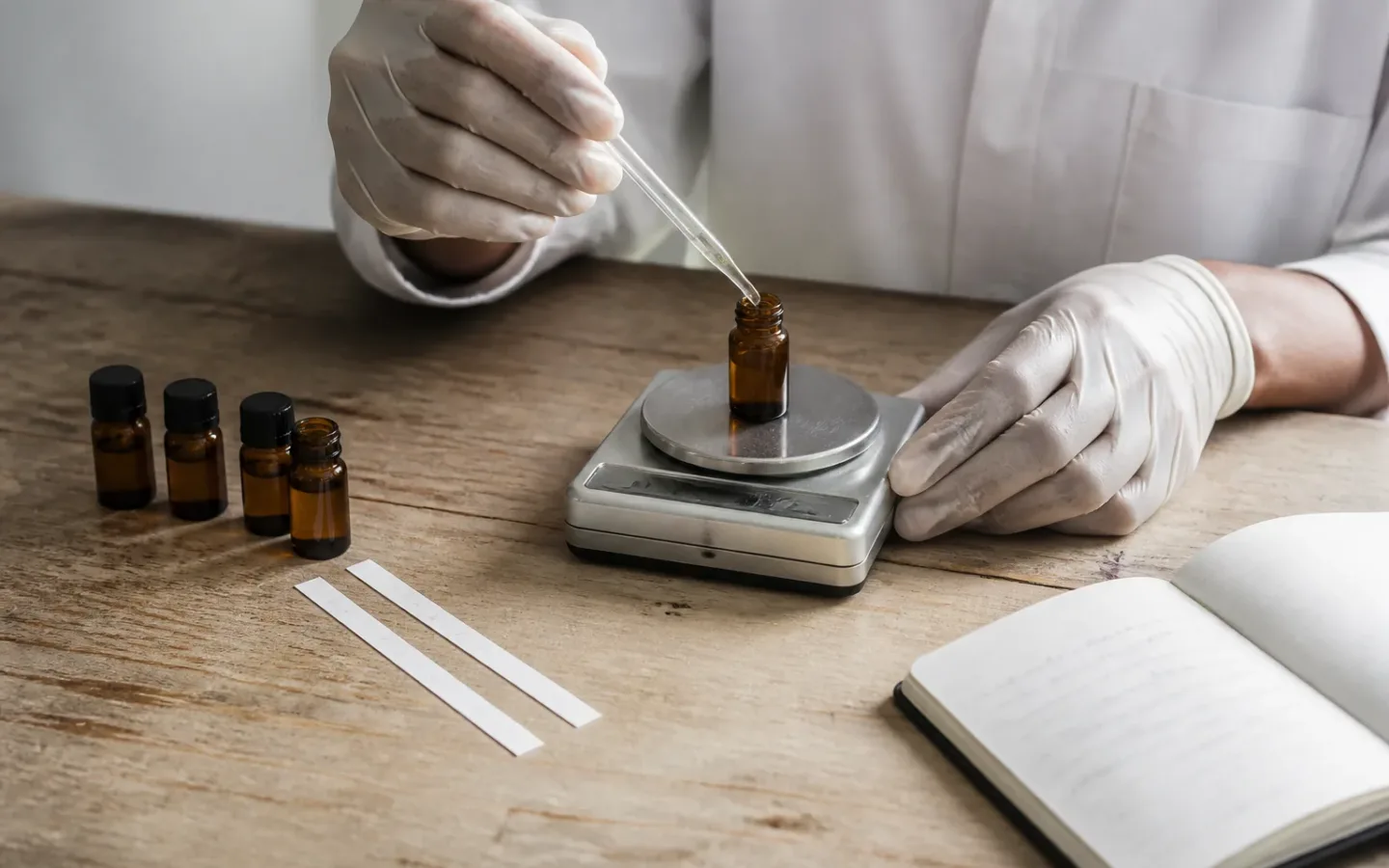
On the countertop, the ingredients are weighed with precision. Natural and synthesically produced molecules coexist in the same formula. Bases, which are mixtures previously built to offer a certain olfactory effect, can also be used.
Then comes time. The fragrance is diluted according to the test, rests and undergoes evaluations on tape, skin and different applications. The smell of the concentrate is not exactly the same as the final product. Alcohol, concentration, packaging and form of use interfere with the experience.
This is where romanticism meets spreadsheets, stability, and legislation.
Creativity also works with limits
A formula must comply with safety requirements, the rules of the markets in which it will be sold, and technical performance. According to IFRA, natural and synthetic raw materials undergo evaluation before being included in the palette used by the industry. Some substances have limits on use; others may be prohibited for certain applications.
Cost also plays a role in creation. If a very expensive ingredient makes the product unviable, the team can reduce its proportion, look for another quality, or reconstruct the effect by different paths. This does not automatically make the result worse. Perfumery has always been an art of combination.
From the laboratory to production
When the version is approved, the formula needs to be reproduced on a larger scale without losing balance. The concentrate is manufactured, undergoes quality control and goes to dilution, maturation, filtration and packaging according to the product process.
The bottle that arrives at the store carries decisions from many people: perfumer, evaluators, chemists, regulatory experts, suppliers, raw material producers, brand and manufacturing staff.
A test to see the construction
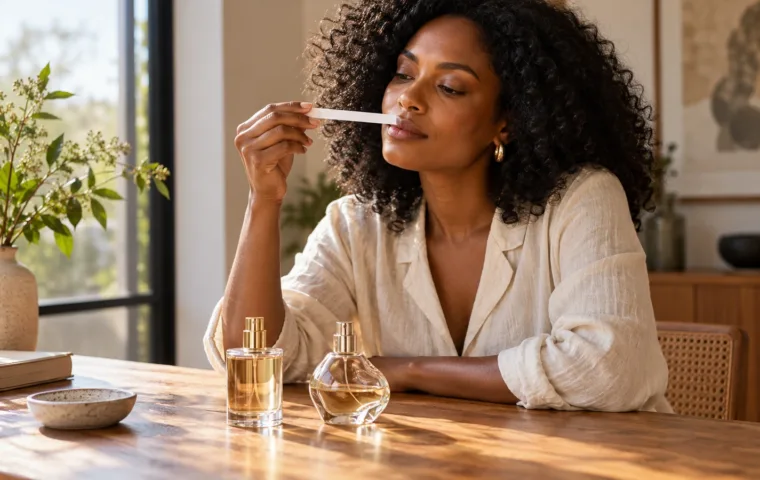
Choose a perfume and follow three moments: the first five minutes, about an hour later, and the end of the day. At each step, write only three words. Don't try to guess all the notes.
You'll probably realize that creation isn't a still photograph. It's a sequence of balances.