Before the perfume we carry on our wrist existed, the smell was already on fire. Resins burned in ceremonies, aromatic oils touched the body and plants traveled along trade routes. The history of perfumery was not born in a single place or on a precise date: it was built by different cultures, little by little, until it reached the bottle.
When to perfume was to occupy the environment
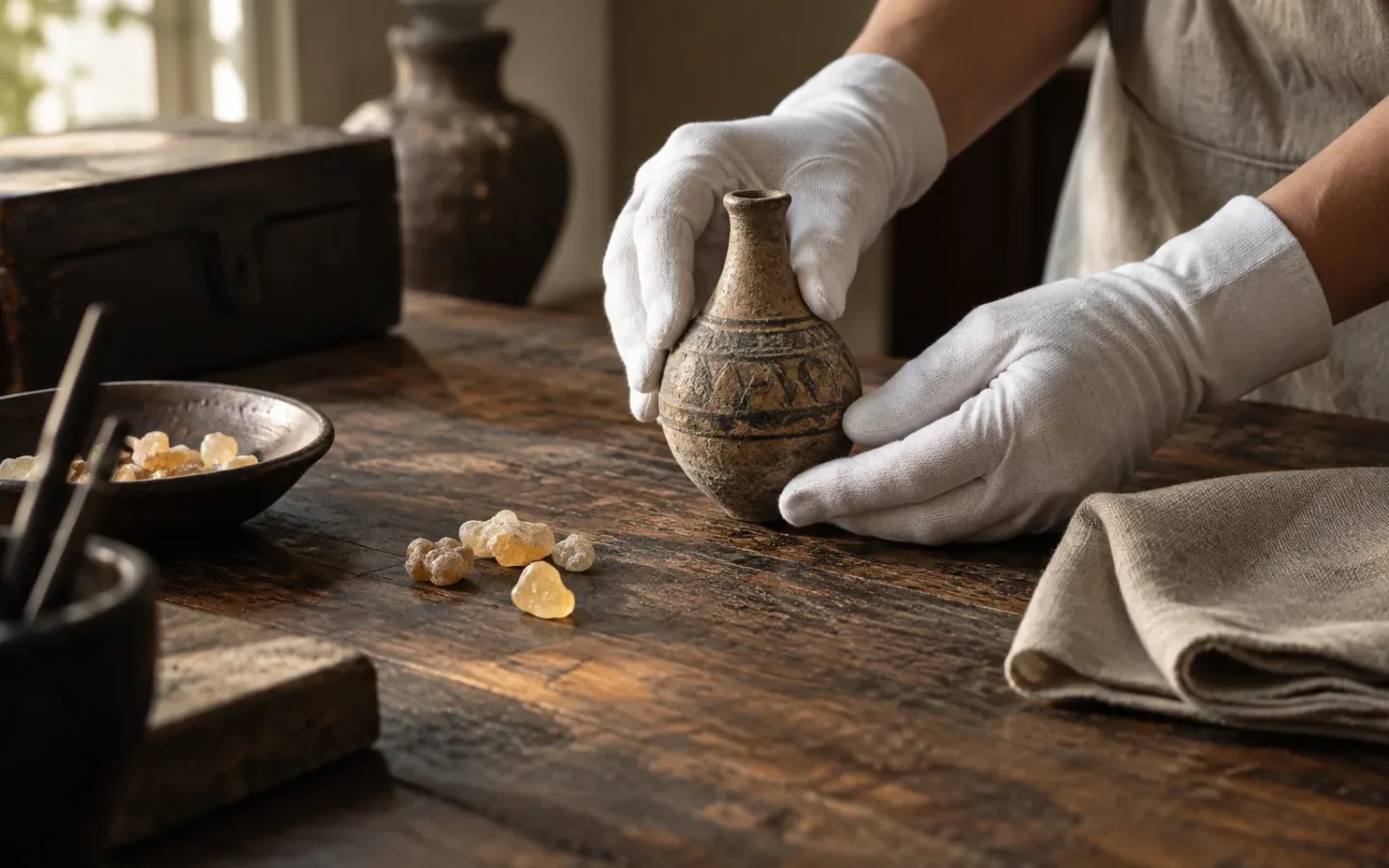
The word perfume itself is often associated with Latin per fumum, "through the smoke". The image helps to understand an important beginning: woods, gums and aromatic resins were burned in religious, funerary and social contexts. The aroma was not just a personal decoration. It changed the atmosphere of a place.
Egyptians, Greeks, Romans, and Near Eastern societies left records of fragrant preparations. But it would be a mistake to count this trajectory as an orderly line of inventions. Techniques, raw materials, and habits circulated through trade, conquest, and cultural exchange.
The body also kept smells
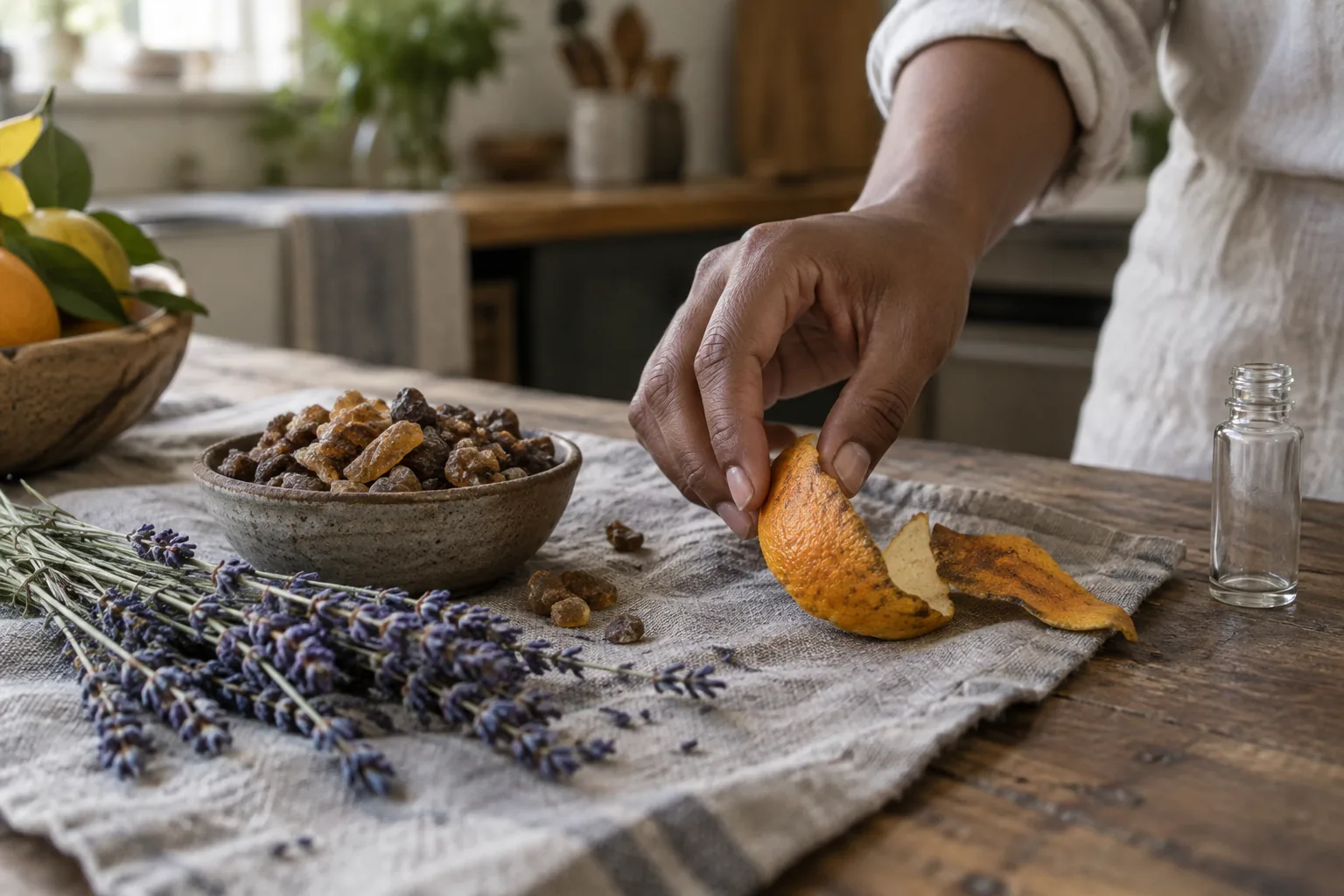
Long before the spray bottle, perfumes could take the form of oils, ointments, and ointments. Without the alcoholic lightness that we recognize today, the smell was closer to the skin and texture of the product. This explains why ancient perfumery is also mixed with the history of cosmetics, medicine, and personal care.
Perfume didn't start in the bottle. The bottle just made a much older story portable.
The path to the clear liquid
Distillation did not appear ready-made, nor does it belong to a single character. Its perfection spanned centuries and received decisive contributions from the medieval Islamic world. With more efficient techniques and higher purity alcohol, it became possible to produce aromatic preparations that were more volatile, transparent, and easy to spread.
Later, scented waters such as eau de cologne would help popularize another way of using fragrance: citrus, luminous and linked to the gesture of refreshing the body.
Grasse, Paris and an industry that has changed scale
Grasse, in the south of France, has become an important center for bringing together flower cultivation, transformation of raw materials and technical knowledge. Paris has gained weight as a creative and commercial showcase. Perfumery has increasingly begun to dialogue with fashion, luxury and identity.
Chemistry opened a door that never closed again
At the end of the nineteenth century, synthetic materials expanded the vocabulary of creators. They did not simply replace flowers, woods or resins. They made it possible to reinforce facets, build abstractions and imagine smells with no direct equivalent in nature.
This route helps you choose better. Compare a citrus cologne to a resinous and dense fragrance. In the first, look for the feeling of cleanliness and movement; in the second, observe the weight, warmth, and permanence. There, without a single date, part of this story will already be happening.